
Review: The Art of Forest Bathing by Aurora Munro 🌿


In a culture that often glorifies speed, productivity, and constant connectivity, the simplicity of stepping into nature with presence can feel both alien and revolutionary. Aurora Munro’s The Art of Forest Bathing is a thoughtful, research-backed, and practical guide that brings us back to this ancient practice. More than just an exploration of Shinrin-Yoku, this book is a reminder to slow down, breathe, and rediscover the natural world as a source of healing and renewal.
A Gentle Invitation to Nature
Munro frames forest bathing not as a hobby or a luxury, but as a vital practice for mental, emotional, and physical well-being. Unlike hiking or exercise, forest bathing does not demand goals, mileage, or destinations. Instead, it asks us to notice: the sound of wind through leaves, the texture of bark beneath our fingertips, the subtle fragrance of damp earth. By focusing on presence rather than performance, forest bathing opens a doorway to a kind of stillness that is often missing from modern life.
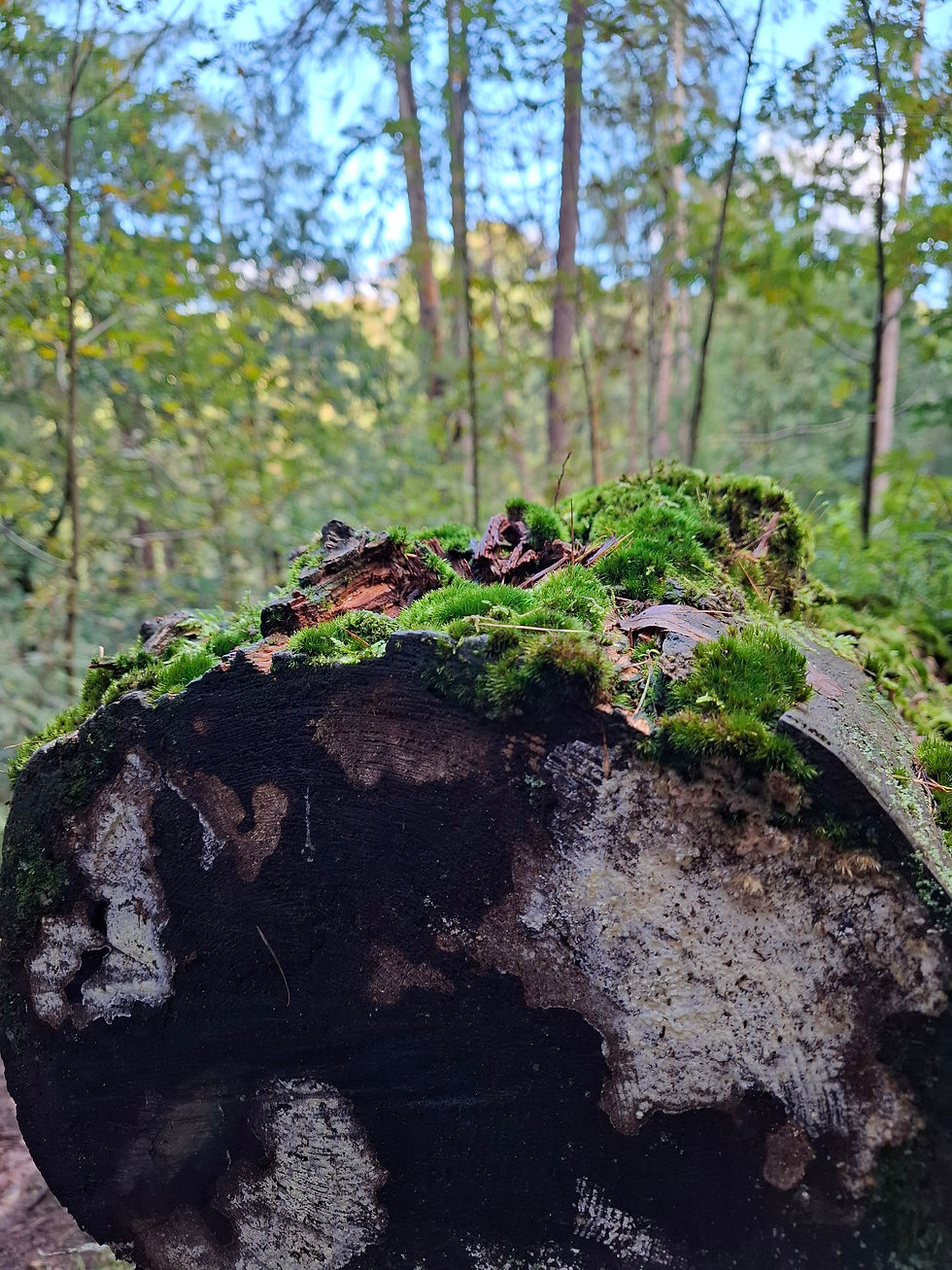
What makes Munro’s approach particularly effective is her emphasis on accessibility. She reassures the reader that a forest is not strictly required; a neighborhood park, a quiet street lined with trees, or even a single potted plant can be enough to begin. This inclusivity lowers the barrier to start, making it approachable for people living in more built up environments and busy professionals alike.
The Science of Slowing Down
One of the strengths of this book is the way it blends science with lived experience. Munro highlights research that links time in nature with reduced cortisol levels, strengthened immunity, improved focus, and enhanced emotional well-being. These studies provide more than just credibility — they make a compelling case that forest bathing is not just a ritual, but a legitimate tool for health and resilience.
Yet the science never overshadows the heart of the book. Rather than overwhelming the reader with data, Munro uses it as a foundation to build a narrative of connection and meaning. This balance of evidence and inspiration makes the book appealing to both skeptics and seekers.
Practical Tools and Reflection
Beyond theory, The Art of Forest Bathing offers practical guidance. Journaling prompts encourage readers to reflect before, during, and after their time outdoors, deepening the practice through awareness and self-inquiry. Suggestions for short, intentional exercises — like focusing on a single sense at a time or walking slowly without distraction — make the practice tangible and immediately applicable.
I found these elements particularly useful because they transform the book from a passive read into an interactive experience. The exercises are simple, yet they shift perspective in noticeable ways. They encourage slowing down not just in the forest, but in daily life.

Relevance in Modern Life
Perhaps the most valuable aspect of Munro’s work is her recognition of modern realities. She acknowledges the digital overwhelm, the pressure to multitask, and the lack of free time that so many of us face. Instead of presenting forest bathing as an all-or-nothing commitment, she emphasizes integration: a short walk on a lunch break, a mindful pause by a window, or a weekend ritual of visiting a local park.
This practical approach ensures that the book doesn't just inspire but is sustainable. It speaks to the reader who longs for more connection with nature but feels restricted by a busy schedule.
Style and Voice
Munro’s writing is clear, calm, and reassuring. The tone mirrors the practice itself — unhurried, gentle, and grounded. There is no pressure, no rigid checklist of requirements, only guidance and encouragement. The voice feels less like an instructor and more like a companion, walking alongside the reader as they rediscover nature with fresh eyes.
Final Reflections
The Art of Forest Bathing is a book that balances wisdom and practicality. It is part guidebook, part meditation, and part scientific exploration. By the end, readers are left not only with knowledge of what forest bathing is, but with a desire to step outside and try it themselves.

Verdict
Aurora Munro has created a guide that is at once inspiring and actionable. It provides the tools to transform ordinary walks into opportunities for healing, clarity, and connection. More importantly, it reframes nature not as a backdrop to our busy lives, but as a partner in our well-being.
Final takeaway: Peace, clarity, and renewal are not distant goals. They are already present, waiting quietly in the trees, the breeze, and the stillness — if only we slow down enough to notice.
If you're looking to step into the art of forest bathing and need some guidance, this book is the one for you. You can access it on Amazon (other companies are available to purchase from).


Comments